That North Shore wind can find every tiny gap in an older Lynn home. If you feel cold air around your windows, under doors, or even through outlet covers, you’re not imagining it. You want a warmer home, lower heating bills, and fewer drafts without a full renovation. This guide gives you practical fixes you can do now, plus smart upgrades and local programs that make a real difference.
Let’s dive in.
Why Lynn homes feel drafty
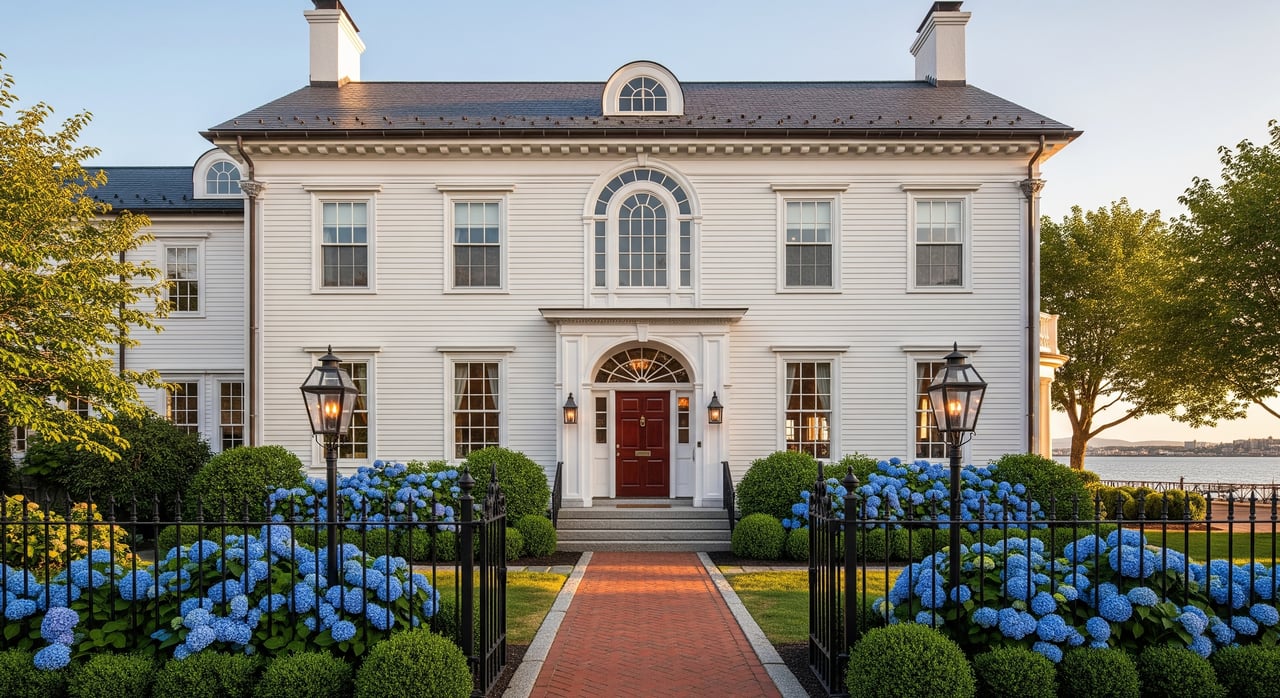
Many Lynn homes were built in the late 19th and early 20th centuries. That charm comes with leaky attics, unsealed rim joists, older windows and doors, and aging mechanicals. Coastal winds and salt air can also wear on exterior materials, which increases drafts over time.
The biggest draft culprits are usually the attic and rim joists where the house meets the foundation. Tightening these areas first reduces the stack effect that pulls cold air in low and pushes warm air out high.
Quick fixes you can do this weekend
These low-cost steps deliver fast comfort gains and are easy to DIY.
- Weather-strip doors. Add adhesive V-strip or compressible weather-stripping on the top and sides. Install a door sweep at the bottom to stop air at the threshold.
- Caulk small gaps. Use acrylic-latex caulk for interior gaps under 1/4 inch. Outside, use silicone or polyurethane. Around chimneys or fireplaces, use fire-rated products.
- Add outlet and switch gaskets. Foam gaskets behind plate covers on exterior walls can cut noticeable drafts.
- Use window film or interior storms. Clear shrink film or magnetic interior storm panels reduce air infiltration and heat loss on single-pane windows during winter.
- Seal an unused chimney. An inflatable chimney balloon or cap stops cold air when the flue is not in use. Close only when all combustion appliances are off and it’s safe.
- Block door drafts. Draft snakes or temporary threshold seals help on tricky sliders or older doors.
- Insulate hot water pipes and exposed ducts. Wrap accessible runs in unconditioned spaces to keep more heat where you want it.
High-impact upgrades with a small crew
If you’re ready for a bigger step, these targeted measures deliver strong results in older Lynn homes.
- Attic air sealing. Seal the attic hatch, top plates, wiring and plumbing penetrations, duct boots, and recessed lights. Use expanding foam for larger gaps and caulk for cracks. This is often the single highest-impact step in our climate.
- Rim joist sealing and insulation. Closed-cell spray foam or rigid insulation with sealed finishes at the rim and band joists reduces drafts and cold floors.
- Service and weather-strip windows and doors. Adjust hardware, add sash locks where appropriate, reglaze loose panes, and install quality weather-strips.
- Add storm windows or interior secondary glazing. Historic windows often perform well with storms plus weather-stripping at a fraction of the cost of full replacements.
- Basement and crawlspace work. Seal rim areas and insulate walls or crawlspace perimeters to reduce moisture issues and heat loss.
Longer-term improvements that last
These projects take more planning and professional help, but they create lasting comfort and savings.
- Attic insulation retrofit. After air sealing, add insulation to reach recommended levels for Massachusetts. This is a top return-on-investment upgrade in older homes.
- Blower-door guided air sealing. A contractor uses testing to find and hit specific airtightness targets for measurable results.
- Selective window replacement. Replace only windows that are severely deteriorated or where your energy and design goals require it. Many older frames perform well when paired with storms.
- Balanced mechanical ventilation. When you tighten the home significantly, consider an HRV or ERV to manage moisture and indoor air quality.
- Heating system upgrades. High-efficiency boilers or cold-climate heat pumps paired with envelope improvements often deliver the biggest combined comfort and energy gains.
Find and measure your leaks
You can start with simple checks and then move to professional diagnostics for a full picture.
- DIY checks. On a windy day, feel for cold air around windows, doors, the attic hatch, and electrical outlets. A lit incense stick or smoke pencil can reveal leak paths.
- Professional energy audit. A pro audit includes a blower-door test and infrared scan to find and quantify leaks you can’t see. Many Massachusetts homeowners can access a no-cost assessment through Mass Save’s home energy assessments.
- Blower-door test and thermography. Learn about how audits identify leaks and prioritize fixes on the U.S. Department of Energy’s home energy audits page.
For expert background on sealing techniques and where to focus first, review the DOE’s guidance on air sealing your home.
Safety first in older Lynn homes
Tightening a home is smart, but it must be done safely.
- Combustion safety. If you have gas or oil appliances, test for proper venting to avoid backdrafting and carbon monoxide risks after air sealing or insulating. A qualified contractor should perform combustion safety tests.
- Ventilation and indoor air quality. A tighter envelope often benefits from balanced mechanical ventilation. The DOE overview of home ventilation explains options like HRVs and ERVs.
- Electrical and knob-and-tube wiring. Do not bury active knob-and-tube wiring with insulation. Have a licensed electrician assess and update as needed.
- Lead and asbestos. Many pre-1978 homes have lead-based paint, and older pipe insulation or finishes can contain asbestos. Follow lead-safe work practices under the EPA’s Renovation, Repair and Painting (RRP) Program and consult licensed professionals.
- Firestopping and clearances. Use fire-rated caulks or foams where required, especially around chimneys and fire separations. Keep insulation clear of hot surfaces per manufacturer and code.
- Moisture management. Before insulating basements or crawlspaces, manage drainage and moisture. Air sealing without handling water can lead to mold or material damage.
What it costs and what you can save
- Low-cost fixes. Caulk, weather-stripping, gaskets, door sweeps, and window film often cost under a few hundred dollars if you DIY or hire a handyman.
- Mid-range projects. Attic air sealing plus added insulation typically runs in the low thousands depending on size and access. Rim-joist sealing and insulation is a moderate investment with noticeable comfort returns.
- Major upgrades. Full attic re-insulation, basement insulation, ventilation systems, selective window replacements, or heating system swaps range from several thousand to tens of thousands based on scope.
Savings vary with your home, fuel type, and usage. Guidance from utilities and the DOE shows that air sealing and insulation are among the most cost-effective steps. Air sealing alone can reduce heating use by a low double-digit percentage, and combined improvements often deliver total heating energy reductions of 20 to 30 percent or more depending on starting conditions.
Smart sequence for Lynn’s climate
Follow this order to get the most value and avoid rework.
- Walk-through and quick fixes. Seal obvious gaps, add door sweeps, and install outlet gaskets.
- Schedule a home energy assessment. A no-cost assessment through Mass Save can include blower-door testing, infrared scans, and a prioritized plan.
- Address combustion safety. Confirm proper venting and correct any backdraft risks.
- Seal the attic and rim joists. Target the biggest leak pathways first.
- Add attic insulation. Bring levels up to Massachusetts recommendations.
- Seal and insulate the basement or crawlspace. Reduce cold floors and moisture.
- Improve windows and doors. Service, weather-strip, and add storms. Replace only where needed.
- Add mechanical ventilation if indicated. Keep air fresh in a tighter home.
- Pair envelope upgrades with heating improvements. Consider high-efficiency boilers or cold-climate heat pumps.
Programs and incentives for Lynn homeowners
- Mass Save. Many Lynn homeowners qualify for no-cost home energy assessments, insulation and air sealing incentives, and financing options through Mass Save. Start with a Mass Save assessment to unlock incentives and connect with participating contractors.
- Weatherization Assistance Program. Income-qualified households may receive free weatherization services like air sealing and insulation through the federal Weatherization Assistance Program. Learn more from the DOE’s Weatherization Assistance Program overview.
- Low-income heating assistance. LIHEAP can help with winter heating bills and may coordinate with weatherization services. Check your eligibility through program administrators that serve your address.
Local tips for Lynn’s older homes
- Prioritize the attic and the basement. Tightening the top and bottom of the house usually gives the quickest comfort boost in older North Shore homes.
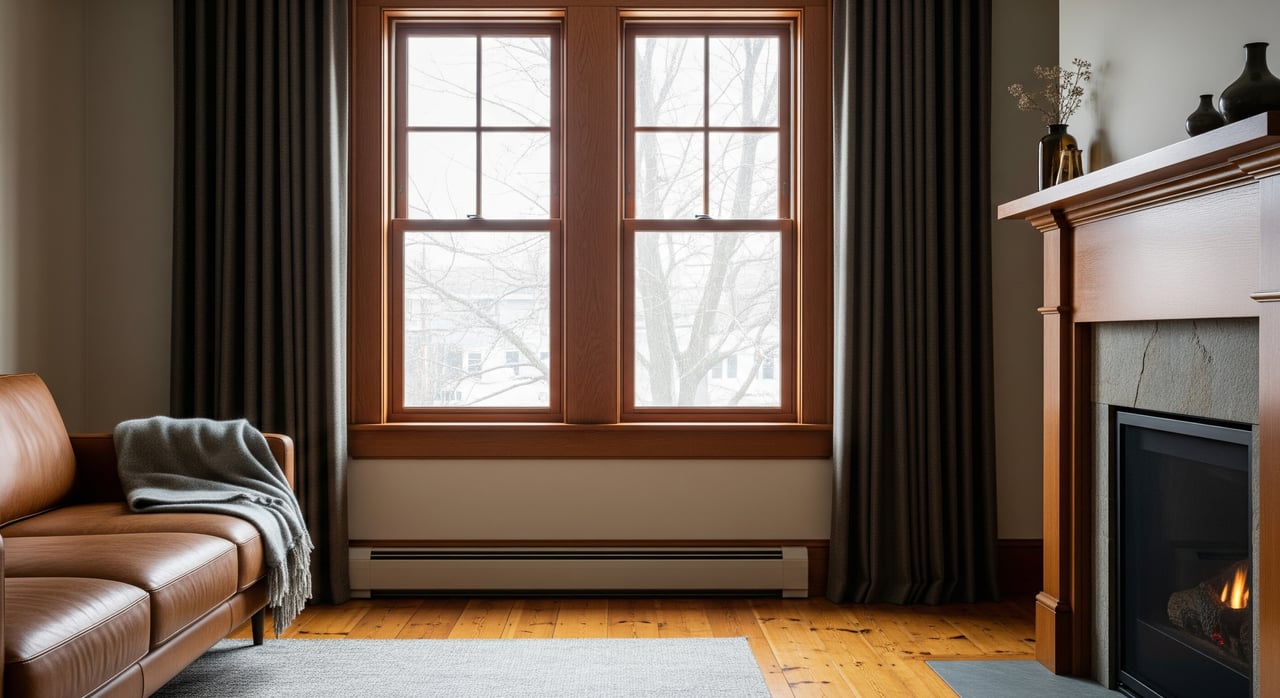
- Respect historic windows. Well-maintained originals with storms and weather-stripping often perform better than expected at a much lower cost than full replacements.
- Plan work for colder weather. Blower-door tests and infrared scans are most accurate when there’s a larger temperature difference between indoors and outdoors, typically fall and winter.
- Mind the coast. Wind exposure in Lynn can magnify leaks. Focus on windward walls, door thresholds, and storm window fit.
If you’re weighing which steps make sense for your home and budget, a local assessment plus a prioritized plan is the fastest way to a cozier, quieter winter.
Ready to make your Lynn home warmer this winter? Schedule a Free Consultation with Jill Michaud to talk through a practical plan and connect with trusted local resources.
FAQs
What are the best first steps to stop drafts in a Lynn home?
- Start with weather-stripping doors, sealing the attic hatch, caulking visible gaps, and installing outlet gaskets, then book a Mass Save assessment to target bigger leaks.
Do I need new windows, or will storm windows work?
- In many older Lynn homes, repairing and weather-stripping existing windows plus adding storm windows delivers most of the comfort at much lower cost than full replacements.
How does a Mass Save home energy assessment help?
- It typically includes blower-door testing, an infrared scan, and a prioritized list of fixes, and it connects you to incentives and contractors familiar with Massachusetts homes.
Is air sealing safe if I have a gas boiler or furnace?
- Yes when done correctly; make sure a contractor performs combustion safety tests after sealing to confirm proper venting and avoid backdrafting risks.
When is the best time for a blower-door test in Massachusetts?
- Fall and winter, when outdoor and indoor temperatures differ more, which makes leaks easier to find and infrared scans more accurate.