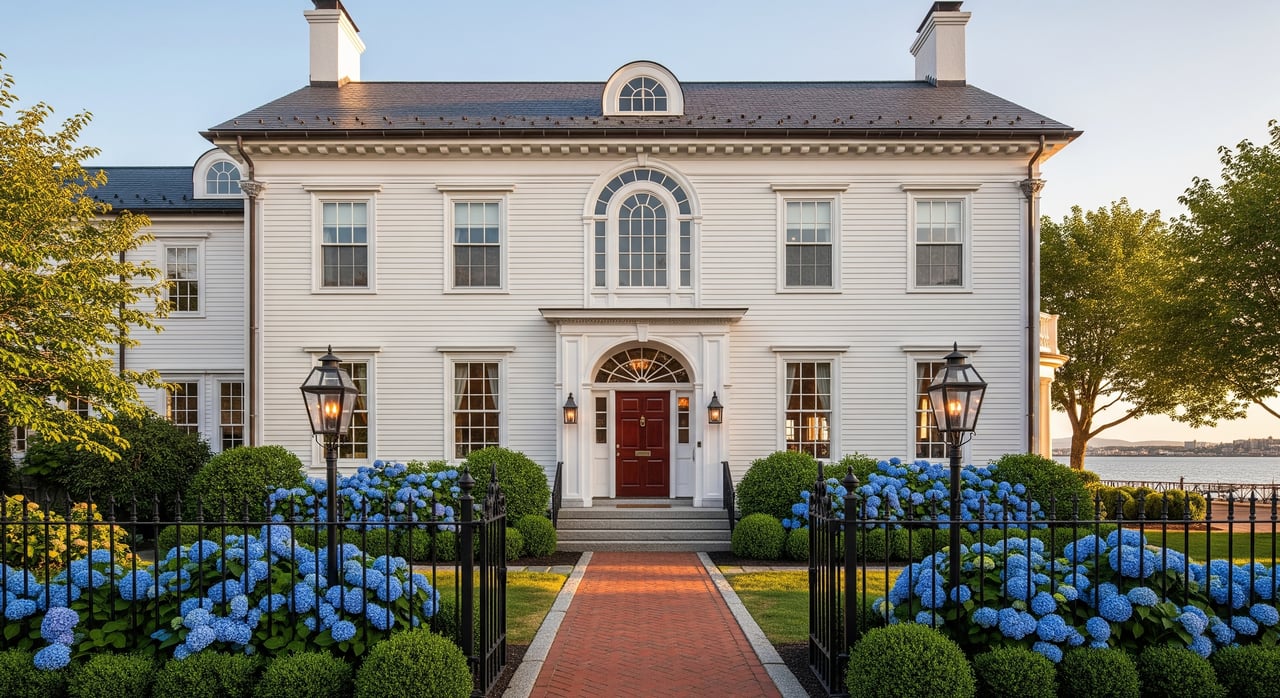
Dreaming of warm winters and resort-style living while you’re still up in Massachusetts? You’re not alone. Many North Shore homeowners are eyeing Lakewood Ranch for its amenities, lifestyle, and variety of neighborhoods. The challenge is coordinating your MA sale with a smart Florida purchase, especially if you can’t be here in person. In this guide, you’ll learn a clear step-by-step plan, from timing and financing to remote tours, HOA fees, insurance, and closing options. Let’s dive in.
Why Lakewood Ranch appeals to MA buyers
Lakewood Ranch is a large master-planned community with dozens of distinct villages. You’ll find single-family homes, townhomes, 55-plus options, golf and waterfront enclaves, and amenity-rich neighborhoods with pools and fitness centers. It’s not a single HOA, so fees, amenities, and rules vary by village. Explore the community overview on the Lakewood Ranch official website to get a feel for lifestyle options and amenities.
Seasonality matters for timing. Florida’s coastal markets often see stronger buyer activity from fall through early spring. That can affect your search pace and competition. For broader trends, check recent data from Florida Realtors market reports.
Step 1: Map your sale-and-purchase timeline
Coordinating your Massachusetts sale with a Lakewood Ranch purchase starts with choosing your offer strategy.
Choose your offer approach
Contingent offer on your MA sale
- Pros: Reduces risk if your MA home needs more time to sell.
- Cons: Less competitive during busy season when sellers prefer clean, non-contingent offers.
- Tip: Keep the contingency window tight and be ready with a backup plan if you need to pivot.
Non-contingent offer with bridge funds or HELOC
- Pros: Strengthens your position and can win in multiple-offer settings.
- Cons: Adds carrying costs and underwriting requirements; you’ll need solid equity and credit.
- Resource: Review how a HELOC works with the CFPB’s HELOC guide.
Post-closing rent-back from your MA buyer
- Pros: Lets you stay in your MA home for a set period after closing while you finalize your Florida purchase.
- Cons: Requires agreement with your buyer and may involve rent or credits.
Build flexibility into your dates
- Ask for a longer escrow in Florida if you’re listing in MA simultaneously.
- Consider short-term furnished rentals near Lakewood Ranch if you want more time to shop without pressure.
- Keep travel windows open for key milestones like inspections and the final walk-through.
Step 2: Line up financing early
Getting fully underwritten pre-approval with a lender experienced in Florida transactions gives you confidence and speed.
- Rate locks: If you need a longer close window, confirm how long you can lock and what extensions cost.
- Proof of funds: Cash offers or large down payments require documented proof that sellers will expect to see.
- Bridge solutions: Explore a bridge loan, temporary second mortgage, or HELOC secured by your MA home so you can make a non-contingent offer. Revisit the CFPB’s HELOC overview to understand terms and risks.
- New construction: Ask about builder incentives, preferred lenders, and whether you need a construction-to-permanent loan.
Step 3: Shop remotely with confidence
You can evaluate homes thoroughly without being onsite if you use the right tools and requests.
Use robust virtual tools
- Live video tours via FaceTime or Zoom to see flow, light, and neighborhood context in real time.
- 3D walkthroughs and floor plans to confirm room sizes and layout.
- Recorded agent videos focused on storage, mechanicals, attic access, and exterior details you might overlook.
Request complete information upfront
- HOA fee schedules, amenity lists, and any membership requirements.
- Recent improvements and age of major systems.
- For new construction: elevation plans, included features vs. upgrades, warranty terms, and estimated completion timeline.
Make inspections your safety net
- Schedule a full home inspection plus any specialized reports needed: wind mitigation, roof evaluation, pool, termite, and mold as applicable.
- Attend inspections remotely and ask for photo and video documentation, plus a live debrief.
- For new builds, arrange third-party inspections at milestones and a comprehensive punch-list before closing.
Step 4: Understand HOA, CDD, and property taxes
Lakewood Ranch villages vary widely in HOA operations and amenity models. Some fees include lawncare, cable, or internet; others are pay-as-you-go. Many neighborhoods are also part of a Community Development District that funds infrastructure, with assessments typically appearing on the county tax bill. You can look up parcel-level tax details and any CDD assessments with the Manatee County Property Appraiser.
When you review a property, request:
- HOA or condo budget, current dues, and reserve study.
- Rules and architectural guidelines if you plan exterior changes.
- Minutes from recent board meetings and any special assessment history.
Step 5: Plan for insurance and flood risk
Florida insurance differs from Massachusetts, especially for wind and hurricane coverage. If a property sits in a FEMA-designated flood zone, flood insurance may be required by your lender.
- Get quotes early. Pricing and availability vary by carrier and can change quickly.
- Order a wind mitigation inspection and, if needed, an elevation certificate. Both can help tailor or reduce premiums.
- Check the property’s flood zone status using the FEMA Flood Map Service Center.
Step 6: Close from Massachusetts with remote options
Florida supports Remote Online Notarization for many documents, which helps you avoid last-minute travel. Title companies often accommodate mail-away signings or coordinate local notaries near your MA address.
- Learn how RON works through the Florida Department of State’s RON guidance.
- Ask your lender early if any in-person steps are required.
- For recording, Manatee County provides official records and public access through the Clerk of the Circuit Court and Comptroller.
Step 7: Florida residency, homestead, and MA tax status
Many buyers plan a permanent move to Florida because there is no state personal income tax. If you make your Lakewood Ranch home your primary residence, you may qualify for the Florida homestead exemption and the Save Our Homes cap on assessed value increases. Review eligibility and filing steps with the Florida Department of Revenue’s homestead resources.
If you are exiting Massachusetts residency, follow the Massachusetts Department of Revenue’s rules to avoid dual-residency issues. See the MA DOR guidance on residency status and coordinate with your tax advisor on timing, documentation, and capital gains considerations.
Sample timelines that work
Here are common paths that MA-to-Florida buyers use. Your exact plan will depend on market conditions and your financing.
If you need a sale contingency
- List your MA home first or simultaneously with your search in Lakewood Ranch.
- Aim for a 30 to 60 day closing window and keep your FL purchase contingent on that sale.
- Build in flexible closing dates or a short rent-back in MA if your Florida close happens earlier.
If you can go non-contingent with bridge funds
- Secure pre-approval for a bridge loan or HELOC before writing offers in Florida.
- Close in Florida, move when ready, then complete your MA sale. Expect a 30 to 60 day overlap.
- Keep a short-term rental option as a fallback during peak season.
If you plan a permanent move and want homestead status
- Time your closing and move so you can establish Florida residency, then file for homestead during the county’s application window.
- Coordinate MA residency termination steps with your tax advisor so state filings align with your move date.
Quick checklist for MA buyers
Pre-offer
- Choose a Lakewood Ranch buyer’s agent who works with out-of-state clients.
- Get full pre-approval and decide if you’ll use a contingency or bridge funds.
- Compare villages, HOA dues, and any CDD assessments using the Manatee County Property Appraiser.
- Request preliminary insurance quotes and confirm flood zone with the FEMA flood map.
Offer
- Lock in dates and possession terms; consider rent-back if needed.
- Ask for recent HOA or condo budgets, rules, and meeting minutes with your offer.
Inspection and due diligence
- Schedule home, wind mitigation, and any specialized inspections; attend by video.
- Review HOA documents for reserves, assessments, rental policies, and architectural rules.
Closing and move
- Confirm RON or mail-away options with title and your lender using the Florida RON guidance.
- Coordinate utilities and movers, and schedule final walk-through by video.
- If applicable, file for homestead with guidance from the Florida Department of Revenue and wrap up MA residency per MA DOR rules.
Your next step
Buying in Lakewood Ranch from Massachusetts can be smooth and strategic with the right plan. If you want a tailored timeline, lender introductions, village-by-village insights, and on-the-ground video touring, let’s talk about your goals and next steps. Connect with Jill Michaud to start planning your move.
FAQs
How can I make a competitive Lakewood Ranch offer if I must sell my MA home first?
- Consider a short contingency period, a pre-listing in MA, or using bridge funds or a HELOC so you can write a non-contingent offer while your MA sale progresses.
What do HOA and CDD fees mean in Lakewood Ranch?
- HOA fees fund community operations and amenities, while many villages also have a CDD assessment on the tax bill to repay infrastructure costs; confirm parcel specifics with the Manatee County Property Appraiser.
How do I handle inspections if I cannot attend in person?
- Arrange a full inspection plus any specialty reports, ask for photo and video documentation, and join a live walkthrough call to review findings and next steps.
What insurance differences should I expect in Florida compared to MA?
- Plan for wind or hurricane coverage and, if required by flood zone, separate flood insurance; obtain quotes early and use a wind mitigation report to tailor coverage.
How do Florida homestead rules and MA residency interact?
- If you make Lakewood Ranch your primary home, review the Florida homestead exemption; coordinate your move and filings with MA DOR residency rules to avoid dual-residency issues.
Can I close on a Florida home while I’m still in Massachusetts?
- Yes. Florida allows Remote Online Notarization and title companies can arrange mail-away signings; confirm specifics with your lender and review the state’s RON guidance.